Standardization of single herb capsules of Manjistha, Kokam and Punarnava with assessment of their Nutritional value
Hardik K. Soni*, Bhavik R. Shah, Surendra B. Bhatt, Navin R. Sheth
1. Vasu Research Centre, A Division of Vasu Health care Pvt. Ltd., 896/A, G.I.D.C., Makarpura,Vadodara-390010, Gujarat, India
2.Department of Pharmaceutical Sciences, Saurashtra University, Rajkot-360005, Gujarat, India
Received on: 19-04-2010; Revised on: 12-05-2010; Accepted on:17-07-2010
Abstracts:
Herbal supplements are more popular for improvement of primary healthcare as they are turning to natural remedies. Looking to this aspect, determination of nutritional value is essential for every herbal supplements. In this research work an attempt was made to establish system of standardization of herbal supplements like manjistha, kokam, and punarnava in order to assess the quality of the drugs. Powder characteristic and various quality control parameters were performed. Data of quality control parameters showed that the extracts used in formulation were of good in quality. HPTLC analysis indicates all extracts were derived from genuine parts of the plant. Concentration of lead, arsenic, cadmium and mercury in selected capsules and extract passes the limit for heavy metal content. Microbial analysis data revealed that Manjistha, Kokam and Punarnava had shown < 10 cfu/gm total bacterial counts. Total yeast and mould count, and the pathogens like E. coli, Salmonella, P. aeruginosa and S. aureus were absent in all selected capsules. Data of Nutritional value revealed that Manjistha capsule contain carbohydrate 93.82%, protein 3.06% and cholesterol 2.58%. While Kokam, and Punarnava capsule contain carbohydrate 86.60% and 83.13%, protein 3.24% and 7.19% and cholesterol 2.62% and 2.51%, respectively. From the obtained data we concluded that all the selected capsules and extracts were consistent with various quality and purity parameters. Nutritional assessments of the each capsule indicate all the drugs have good dietary supplement value and medicinal role as an herbal supplement.
Key words:Herbal supplements, Nutritional assessment, HPTLC, Heavy metal
Hardik K. Soni*, Pooja A. Kanasagara, Surendra B. Bhatt, Urvashi D. Shah, Vaishali N. Shah
Abstracts:
Standardization of polyherbal formulation – Acnovin Active Syrup (Blood Purifier) Standardization of Polyherbal formulation is essential in order to assess the quality of drugs, based on the concentration of their active principles. This research paper reports on Standardization of Acnovin Active Syrup (Blood purifier) which is Polyherbal formulation used as purifies the blood and aids in overcoming problems, Acne and Boils. It also helps in other skin related disorders, which was manufactured by Vasu Healthcare Pvt. Ltd. Standardization protocol included different parameters for authentification of raw Material as well as finished product such as Identification of Raw Materials, Organoleptic evaluation, Physicochemical parameters such as pH value, Viscosity, Weight/ml, Total sugar content, Phenolic content, Total Ash, Acid insoluble Ash, Water soluble Ash, Water and Alcohol soluble Extractive value, Qualitative Phytochemical evaluation, HPTLC Fingerprintin of finished product, Quantification of Curcumin and Gallic Acid in Syrup, Heavy metal analysis, Microbial analysis was done. The data generated from the present study would help in the authentification of the drug and the details analysis with the help of Determination of sugar content, Determination of phenolic content, HPTLC Fingerprinting, Heavy metal analysis, Microbial analysis will be useful in the standardization of the Polyherbal formulation.
Key words:Acnovin Active Syrup, Phenolic content, HPTLC Fingerprinting, Heavy metal analysis, Microbial analysis.
Evaluation of herbal formulation (capsule) containing Ashwagandha as a single herb with their nutritional value determination. Soni Hardik K*, Ribadiya Nikunj C, Bhatt Surendra B, Sheth Navin R
1. Vasu Research Centre, A Division of Vasu Health care Pvt. Ltd., 896/A, G.I.D.C., Makarpura Vadodara-390010, Gujarat, India
2.Department of Pharmaceutical Sciences, Saurashtra University, Rajkot-360005, Gujarat, India
hardik_ayurved@yahoo.com
Abstracts:
The most important challenges faced by herbal formulations arise because of their lack of complete evaluation. Evaluation is necessary to ensure quality and purity of the herbal product. For evaluation of capsule containing single herb various parameters were tested. These parameters for raw material include powder characteristic study, organoleptic, physicochemical, phytochemical parameters etc., and assay of active constituent. Parameters for finished product (capsule) include uniformity of weight, pH, moisture content, disintegration time and dissolution study. HPTLC study, heavy metal analysis, microbial analysis and Nutritional value were carried out as a part of evaluation. Results indicate that Ashwagandha capsule has passed through all organoleptic and physicochemical parameters. Active constituent was present in adequate amount in the Ashwagandha capsule. Data of HPTLC finger printing indicates that extract was derived from genuine plant or parts of the plant and also capsule contain the same extract. Concentration of lead, arsenic and cadmium in capsules passed the limit of heavy metal. Mercury was absent in capsule and in their extract. Capsules have <10 cfu/gm total bacterial count. Total yeast and mould was absent in capsules. The pathogens like E. coli, Salmonella, P.aeruginosa and S.aureus were also absent in capsule.Carbohydrate, protein and cholesterol content for Ashwagadha capsule is 84.56%, 8.29% and 2.32% respectively. Data suggested that capsule and its extract were consistent with various identity, quality and purity parameters such as organoleptic characters, physico-chemical parameter, HPTLC fingerprinting, heavy metal and microbial analysis. Nutritional assessment of the each capsule indicates their dietary supplement value.
Key words:Withania somnifera, Herbal Formulation, HPTLC fingerprinting, Nutritional value, Heavy metal & Microbial analysis.
Standardization of Glucova Tablet and Glucova Capsule- An antidiabitic herbal formulation. Aghera B, Patel N. M, Bhatt S.B*, Parekh J, Makwana H. and Solanki B.
Received 04 September 2009, Accepted 16 February 2010.
Abstracts:
Standardization of two anti diabetic herbal formulations Glucova Tablet and Glucova Capsule were done which is manufactured by Vasuhealthcare Pvt.Ltd. Standardization protocol included different parameters for authentication of raw material such as identification of raw materials, organoleptic parameters like colour/ odour/ taste; physicochemical parameters such as pH value, bitterness value, qualitative phytochemical evaluation, HPTLC finger-printing and heavy metal analysis was done. For standardization of finished products parameters studied included uniformity of weight, measurement of diameter and thickness, measurement of hardness, determination of pH, disintegration test, dissolution test, moisture content, HPTLC finger-printing, heavy metal analysis and and microbial analysis. The data generated from the present study would help in the authentication of the drug and the details analysis with the help of HPTLC fingerprint profile will be useful in the standardization of the herbal formulation.
Key words:Glucova Tablet/Capsule, Standardization, HPTLC fingerprint, Heavy Metal analysis, Microbial analysis.
Standardization of single herb capsules of Manjistha, Kokam and Punarnava with assessment of their Nutritional value
Acharya Mayank J.Soni Hardik K., Bhavik R. Shah, Patel Rakesh K., Bhatt Surendra B.
1. Vasu Research centre, A Division of Vasu Healthcare Pvt. Ltd., 896/A G.I.D.C. Makarpura,Vadodara- 390010, Gujarat, India
2. S.K.Patel College of pharmaceutical Education and Research, Ganpat University, Kherva-382711, Mehsana, Gujarat, India
E-mail Address: thegreekgod004m@yahoo.com
Abstracts:
Herbal supplements are more popular for improvement of primary healthcare as they are turning to natural remedies. Looking to this aspect, determination of nutritional value is essential for every herbal supplements1. In this research work an attempt was made to establish system of standardization of herbal supplements like manjistha, kokam, and punarnava in order to assess the quality of the drugs. Powder characteristic and various quality control parameters were performed. Data of quality control parameters showed that the extracts used in formulation were of good in quality. HPTLC analysis indicates all extracts were derived from genuine parts of the plant. Concentration of lead, arsenic, cadmium and mercury in selected capsules and extract passes the limit for heavy metal content. Microbial analysis data revealed that Manjistha, Kokam and Punarnava had shown < 10 cfu/gm total bacterial counts. Total yeast and mould count, and the pathogens like E. coli, Salmonella, P. aeruginosa and S. aureus were absent in all selected capsules. Data of Nutritional value revealed that Manjistha capsule contain carbohydrate 93.82%, protein 3.06% and cholesterol 2.58%. While Kokam, and Punarnava capsule contain carbohydrate 86.60% and 83.13%, protein 3.24% and 7.19% and cholesterol 2.62% and 2.51%, respectively. From the obtained data we concluded that all the selected capsules and extracts were consistent with various quality and purity parameters. Nutritional assessments of the each capsule indicate all the drugs have good dietary supplement value and medicinal role as an herbal supplement.
Anti-diabetic activity of Glucova – A Herbal Formulation
Thakker Tejaskumar J., Aghera Bina, Soni Hardik K., Patel Rakesh K.
1. Vasu Research centre, A Division of Vasu Healthcare Pvt. Ltd., 896/A G.I.D.C. Makarpura,Vadodara- 390010, Gujarat, India
2. S.K.Patel College of pharmaceutical Education and Research, Ganpat University, Kherva-382711, Mehsana, Gujarat, India
E-mail Address: thakkertj_2006@yahoo.co.in
Abstracts:
There are many diseases that are caused due to genetic disorders and Diabetes is one of them. Diabetes is a disorder of metabolism-the way our body use digestive food for growth and energy. There are more than 125 million people with diabetes in the world today1. So the proprietary herbal formulation of Vasu Pharmaceutical Pvt.Ltd. i.e. Glucova Tablet/capsule was evaluated for anti diabetic activity. Antidiabetic activity is assessed by alloxan induced diabetic rats with comparison to the standard reference drug marketed with the brand name Glebenclemide. Glucova tablet and Glucova capsule had shown significant antidiabetic activity in alloxan induced diabetic rats with comparison to the standard reference drug marketed with the brand name Glebenclemide for various parameters such as Body weight, Blood glucose, Serum cholesterol, Serum triglyceride, Serum HDL, Serum VLDL, Serum LDL, Serum urea, Serum creatinine, Serum ALPH, Serum ALT, Serum AST, Serum bilirubin, Serum total protein and albumin. It was observed to have almost parallel values for all the biochemical parameters estimated in comparison to Reference Standard drug- Glebenclemide. Furthermore, the histopathological analysis of Pancreas showed that the herbal formulations Glucova capsule and Glucova tablet retained the tissue degeneration in comparison to the Diabetic Control group.
Evaluation of anti diabetic activity of Glucova – A Herbal Formulation
Bina Aghera, N. M. Patel, S. B. Bhatt, Hardik Soni, Helena Makwana and Bhavna Solanki
1. Vasu Research Centre, G.I.D.C., Makarpura, Vadodara – 390010 Gujarat (India)
Abstracts:
There are more than 125 million people with diabetes in the world. This study was carried out on a herbal formulation Glucova for its antidiabetic activity in alloxan induced diabetic rats. Glucova tablet and capsule had shown significant antidiabetic activity in comparison to the standard reference drug marketed with the name Glibenclamide on various parameters such as body weight, blood glucose, serum cholesterol, serum triglyceride, serum HDL, serum VLDL, serum LDL, serum urea, serum creatinine, serum ALPH, serum ALT, serum AST, serum bilirubin, serum total protein and albumin. It was observed to have almost parallel values for all the biochemical parameters estimated in comparison to reference standard drug – Glibenclamide. Furthermore, the histopathological analysis of pancreas showed that the herbal formulations Glucova tablet and Glucova capsule (GT and GC) retained the tissue degeneration in comparison to control group.
Anti Microbial activity of Ashwagandha, Shunthi and Sariva against various human pathogens: an in vitro study
Bhavna Solanki, Kruti Pandya, Kunal Maniar and Nilesh Gurav, Surendra B. Bhatt
Vasu Research Centre, A Division of Vasu Healthcare Pvt. Ltd., Vadodara, India
The different plant extracts were initially screened for their anti microbial activity and then, were extracted in different solvents. The extracts were tested against two Gram positive and four Gram negative organisms by using the standard disc diffusion method. Phytochemical analysis were also carried out that included Assay of Withanoloides for Withania somnifera (Ashwagandha) and Assay of Tannin and Saponin for Hemidesmu indicus (Sariva) and Assay of Gingerol in Zingiber officinale (Shunthi Rhizome). The actives of Zingiber officinale were also confirmed by the HPLC method. They were also screened for the presence of both Heavy metals and microbial analysis by standard protocols.
Evaluation of safety and efficacy of Polyherbal Fairness Cream,
Soni Hardik K.*, Gandhi Vishal J., Bhatt Surendra B., Shah Urvashi D., Shah Vaishali N.,
Vasu Research Centre, A Division of Vasu Healthcare Pvt. Ltd. 896/A, G.I.D.C., Makarpura, Vadodara- 390010, Gujarat, India
Pharmacognosy Department, APMC College of Pharmaceutical Education and Research, Motipura, Himatnagar, Gujarat, India
Fair skin has always been the desire of people since ages and has been associated with beauty. Earlier, most of the people used homemade (turmeric, milk, honey) products and lotions to make their skin lighter in shade. With the assumption of fair skin as a sign of beauty, their has been bias for the skin colour in most of the countries. People use fairness cream to improve their complexion, irrespective of whether they have dark or fair complexion. The purpose of this open prospective, non-comparative Phase III clinical trial was to evaluate the safety and efficacy of Polyherbal Fairness Cream as a result of repeated application for 4 weeks. Fifty subjects were included in this study. They were advised to apply fairness cream twice daily for a periode of 30 days. All the patients were followed-up at weekly intervals for a perode of 4 weeks. Response to Fairness Cream was evaluated on a 5- point visual analogue scale. All subjects completed the study and significant reduction in dark complexion, increase in skin softness, and skin glowing effect was seen at the end of study. There were no adverse effects reported during the study and compliance to the use of formulation was excellent.
Natural Herbal Supplements – An Assessment of Their Nutritional Value and Their Phytochemical Constituents.
Bhavna Solanki, Kruti Pandya, Kunal Maniar and Nilesh Gurav, Surendra B. Bhatt
Vasu Research Centre, A Division of Vasu Healthcare Pvt. Ltd., Vadodara, India
Nutritional deficiency is almost impossible to avoid in these modern times, thus supplements help us to overcome the nutritional deficiencies. It also helps us to boost our immune system. Nutritional supplements are also useful in getting rid of the toxins that are accumulated in our body. Thus the five natural supplements that are mentioned below are tested for the various parameters that include the basic Quality Control Parameters, the phyto chemical analysis, Microbial Analysis that includes the testing for the presence of pathogens along with the total bacterial and fungal count. It is also tested for the presence of heavy metals in them, followed by Aflatoxin and Pesticide analysis. The Nutritional Value for each of them were determined and reported in the form of mg/capsule. The actives of Licorice Capsule Mucuna Capsule and Triphala Capsule were confirmed by the HPLC method where as that of Shatavari was confirmed by the HPTLC Method.
Studies on Phytochemical constituents and estimation of their nutritional values
Kruti Pandya, Bhavna Solanki, Nilesh Gurav, Surendra Bhatt
1. Vasu Research Centre, A Division of Vasu Healthcare Pvt Ltd, 896/A, GIDC Makarpura, Vadodara, India.
Abstracts:
Nutritional deficiency is almost impossible to avoid in these modern times, thus supplements help us to overcome the nutritional deficiencies. It also helps us to boost our immune system. Nutritional supplements are also useful in getting rid of the toxins that are accumulated in our body. Thus the five natural supplements that are mentioned below are tested for the various parameters that include the basic Quality Control Parameters, the phytochemical analysis, Microbial Analysis that includes the testing for the presence of pathogens along with the total bacterial and fungal count. It is also tested for the presence of heavy metals in them, followed by Aflatoxin and Pesticide analysis. The Nutritional Value for each of them were determined and reported in the form of mg/capsule. The actives of Ashwagandha Capsule and Bacopa Capsule were confirmed by the HPLC method.
Bonton Active Granules, A better approach against the silent disease – Osteoporosis.Abstracts:
The novel poly herbal formulation i.e, Bonton Active Granules was prepared such that it acts on the deficiency of bones thus helping in Osteoporosis. It contains different extracts that helps in improving bone strength and healing bones. The efficacy and the nutritional value of the poly herbal formulation was determined and reported that signifies the formulation. Estrogen deficiency is known to play a critical role in the development of osteoporosis, while calcium and vitamin D deficiencies and secondary hyperparathyroidism also contribute in it. The formulation was also checked for the presence of microbial pathogens, and for the presence of heavy metals in it. The study also included various risk factors symptoms and the tests that are done to detect Osteoporosis.
Physicochemical and antimicrobial activity of single herbal formulation – Capsule containing Emblica officinalis Gaertn.
Standardization of Emblica Officinalis capsule and its raw material have been carried out in the present study. The study includes antimicrobial evaluation along with estimation of its physicochemical parameters such as ash, extractive values and preliminary phytochemical screening. It also includes quantification of some of the active constituents like Tannins, Gallic acid, and Vitamin C. Study shows Vitamin C, Gallic Acid and Tannin in capsule were 6.32%, 9.96% and 24.12% respectively. Emblica Officinalis shows good anti-microbial activity against E.coli, Salmonella and S.aureus. It reveals standardization profile for drug like Emblica officinalis, which would be of immense value in botanical identification and authentification of plant drug and may help us in preventing its adulteration.
Natural Herbal Supplements – A Study On Their Nutritional Value And Their Phytochemical Constituents.
Nutritional deficiency is almost impossible to avoid in these modern times, thus natural supplements help us to overcome the nutritional deficiencies. It also helps us to boost our immune system. Nutritional supplements are also useful in getting rid of the toxins that are accumulated in our body. Thus, the five natural supplements that are mentioned below are tested for the various parameters that include the basic Quality Control Parameters, the phyto chemical analysis, Microbial Analysis that includes the testing for the presence of pathogens along with the total bacterial and fungal count. It is also tested for the presence of heavy metals in them, followed by Aflatoxin and Pesticide analysis. The Nutritional Value for each of them were determined and calculated. The actives of Garcinia Capsule, Ginger Capsule and Holy Basil Capsule were confirmed by the HPLC method.
Phyto-chemical Screening & Evaluation of Antibacterial Activity of Polyherbal Formulation.
Acnovin Capsule has a good amount of herbal ingredients that possess antimicrobial activity. They were screened to show their anti bacterial activity in three solvent extractions. They were also screened for the presence of pathogens, heavy metals and their Quality Control Parameters. All the ingredients have good activity on the skin. Few of the samples were also tested for their HPLC and HTLC charcaterization.
Phyto-chemical Screening & Evaluation of Antibacterial Activity of Polyherbal Formulation.
Acnovin Capsule has a good amount of herbal ingredients that possess antimicrobial activity. They were screened to show their anti bacterial activity in three solvent extractions. They were also screened for the presence of pathogens, heavy metals and their Quality Control Parameters. All the ingredients have good activity on the skin. Few of the samples were also tested for their HPLC and HTLC charcaterization.
STANDARDIZATION OF “HERBAL GRANULES”: A POLYHERBAL FORMULATION
Modi Jitendra P., Soni H.K., Bhatt S.B., Patel N.A.,
S.K.Patel College Of Pharmaceutical Education & Research, Ganpat University, Kherva-382711, Mehsana, Gujarat, India
Vasu Research Centre, A Division Of Vasu Healthcare Pvt. Ltd., 896/A G.I.D.C. Makarpura,Vadodara- 390010, Gujarat, India
E-mail Address: jitsmodi@yahoo.com
Standardization of herbal formulations is essential in order to assess the quality, purity, safety and efficacy of drugs based on the amounts of their active principles. The present research work is an attempt to standardize “herbal granules ” a marketed polyherbal formulation used in the treatment of Sinusitis, tonsillitis, nasal congestion, throat congestion, broncho-spasm, bronchitis, dyspnoea, breathlessness, mild state of bronchial asthma and other upper, lower respiratory congestion and other respiratory system related problems.. The Raw material and formulation were standardized on the basis of organoleptic characters, physical characteristics and physico-chemical properties. Also quantitative evaluation of active marker compound was done in raw material and final formulation. The set parameters were found to be sufficient to evaluate the granules and can be used as reference standards for the quality control/quality assurance purposes in future.
“Standardization of Polyherbal Formulation used in the treatment of Rheumatoid Arthritis – Dazzle Capsule”
Acharya Mayank J., Patel Rakesh K., Soni Hardik K., Bhatt Surendra B.,
S.K.Patel College of pharmaceutical Education and Research, Ganpat University, Kherva-382711, Mehsana, Gujarat, India
Vasu Research Centre, A Division of Vasu Healthcare Pvt. Ltd., 896/A G.I.D.C. Makarpura,Vadodara- 390010, Gujarat, India
E-mail Address: thegreekgod004m@yahoo.com
Rheumatoid arthritis is an inflammatory autoimmune disease that causes pain, swelling, stiffness and loss of function in the joints1. Most of the available NSAIDs are effective but devoid of gastro protective properties. Dazzle capsule is a polyherbal formulation containing dry extracts of herbs like ashwagandha, sunth, nagarmoth, guggulu, nirgundi, guduchi etc. In this research work we have made an attempt to establish the standardization theme for polyherbal capsule formulation. Results obtained from quality control study showed that the extracts were good in quality. Concentration of lead, arsenic, cadmium and mercury in selected capsules and extracts passes the limit for heavy metal content. Microbial analysis data showed that selected capsule samples and extracts had < 100 cfu/gm total bacterial counts. Total yeast and mould count, and the pathogens like E. coli, Salmonella, P. aeruginosa and S. aureus were absent in all selected extract and capsule samples. Assay for the respective chemical composition of all herb extracts were done and result shows the satisfactory data within limits. From these obtained data we concluded that all the selected capsules and extracts were consistent with various quality and purity parameters. Further study is going on for assessment of safety and efficacy of the formulation.
“Standardization & Optimization of Hair Growth Enhancer Polyherbal Formulation (Herbal Hair Oil)”
Ukani Krunal A., Soni Hardik K., Bhatt Surendra B., Dubey Sushilkumar,
1. School of Pharmaceutical Science, Venue of Seedling Group of Institute, Jaipur National University, Jagatpura, Jaipur ,Rajasthan, India
2. Vasu Research Centre, A Division of Vasu Healthcare Pvt. Ltd., 896/A G.I.D.C. Makarpura,Vadodara- 390010, Gujarat, India
E-mail Address: krunal.ukani@gmail.com
Alopecia is a dermatological disorder with psychosocial implications on patients with hair loss.1 Hair loss is common & ever increasing problem in cosmetics as well as primary health care problem worldwide.2 Herbal formulations always have attracted considerable attention because of their good activity and comparatively lesser or negligible side effects with synthetic drugs. The objective of present study involves preparation of herbal hair oil using Sesam oil ,coconut oil, Neem ,Bhringraj, Amala, Mandukaparini, Nilpuspa, Nagarmoth, Datura, Gunja, Jatichetika etc. and its evaluation for increase in hair growth activity. In this research work an attempt was made to establish system of standardization of herbal extracts & oils in order to assess the quality of the Product. Powder characteristic and various quality control parameters were performed. Data of quality control parameters showed that all extracts & based oils used in formulation were of good in quality. TLC analysis indicates all extracts were derived from genuine parts of the plant. Phytochemical analysis was performed for quantification of active constituents present in raw extracts used in formulation. Concentration of Lead, Arsenic, Cadmium and Mercury in raw materials and formulation passes the limit for heavy metal content. Microbial analysis data revealed that pathogens like E. coli, Salmonella, P. aeruginosa and S. aureus were absent in raw materials & finished product. From the obtained data we concluded that all the raw materials & formulation consist good quality. Further study is going on for the assessment of safety & efficacy of the formulation.
In Vitro Anti- Mycobacterial Study Of Essential Oil of Few Selected Plants.
Emergence of multi-drug resistant (MDR) and extensivelydrug resistant (XDR) strains of Mycobacterium tuberculosis has further complicated the problem of tuberculosis (TB). It is thus very essential to find out a remedy for this killer disease. In this article which is a preliminary study to show that certain essential oils possess anti-mycobacterial activity. In this study, essential oil of few Ayurvedic plants like Devdaru, Shigru, Karanj and Neem have been screened individually and in combinations for their anti-mycobacterial activity and promising results were found against the Mycobacterium smegmatis, a non-pathogenic species of Mycobacterium group. Devdaru oil shows the best result compared to the other oils tested. In continuation to this preliminary work, further analysis and research is in progress.
Standardization Of Anti-Diabetic Ayurvedic Herbo- Mineral Formulation.
Standardization of Glucova Active tablet, a herbo mineral formulation is essential in order to assess the quality of drugs, based on the concentration of their active principles. The formulation has a very good effect on Diabetes and the protocol included different parameters for authentification of raw material as well as finished product. HPLC and HPTLC were also carried put to authenticate the drugs along with other parameters like Microbial analysis, heavy metal analysis etc. the data got thus suggests that all the ingredients are useful in the formulation and have good reported activity against diabetes.
Physicochemical and Antimicrobial Activity of Two Single Herbal Formulation – Capsule, containing Terminalia arjuna Roxb. And Saraca indica Roxb.
Standardization of a product is very essential in order to assess the quality of the drugs. All the tests carried out in this research shows that the drug/extract is of good quality. The samples were tested for their basic Physico-chemical parameters and were much within the limits specified. They were also checked for the presence of contaminants viz; microbial and traces of heavy metals and they were free of both the contaminants. They were also screened for their anti microbial activity in two different varying concentrations and both of them showed to possess good anti-microbial activity against the pathogens tested. The assessment of the same showed that the two capsules showed good anti microbial activity at varying concentrations and were of standard quality.
Evaluation of anti-fatigue effect of the ayurvedic drug “Alert” in ratsH.K.Kakrani, G. Vijaynathan Nair, G.A. Kalyani, D. Satyanarayana
1. School of Pharmacy, J.N.Medical College, Belgaum – 590 010, Karnataka, India
Abstracts:
The Ayurvedic drug alert was evaluated for its anti-fatigue action in rats. The drug reduced depletion of liver glycogen, after swimming bouts. The dose of 1 g/kg body weight of drug twice daily inhibited glycogenolysis in the muscle fibre. This is indicative of the protective action of the drug in stress.
Prospective process validation of polyherbal cough syrup formulationLay Desai, Jignasa Oza, Kapil Khatri
1. Department of Quality Assurance, I.S.F. College of pharmacy, Moga, Punjab – 142001, India
2. GM –Operations, Vasu Healthcare Private Limited, 896/A GIDC, Makarpura, Vadodara, Gujarat- India
Abstracts:
Validation study is the core subject of study in quality assurance field. Validation is necessary for the efficient use of the resources. The cost of product failure, rejects, reworks, recalls, complaints are the sufficient part of total production cost. Validation study inevitably leads to process optimization, better productivity and lower manufacturing cost. Validation concept is somewhat less implemented in herbal industries. But in today’s competitive era it is essential to adopt this approach for survival. Objective: Present work is carried out to validate the manufacturing procedure of Vasu cough syrup which is a Polyherbal preparation and to provide assurance that it meets with predetermined specifications. Material and methods: Vasu cough syrup was developed and manufactured at Vasu Healthcare Private Limited, Vadodara, Gujarat. In this prospective process validation, critical process parameters were identified, the protocol and report were made and results of critical parameters were checked for three consecutive batches to assure reproducibility of the results. The activity was carried out in quality assurance department of Vasu Healthcare Private Limited. Results and discussion: Results of identified critical process parameters were checked for their compliance and also for their reproducibility for three batches. The filling and sealing quality were also determined for each batch. Conclusion: The results for all batches were complying with specifications, hence the product can be considered for scale up batches. Thus, the process of technology transfer was successfully completed.
Priyanka P. Desai, Natvarlal M. Patel, Hardik K. Soni, Surendra B. Bhatt
1. Pharmacognosy Department, B. M. Shah College of Pharmaceutical Education and Research, Modasa, Gujarat, India.
2. Vasu Research Centre, A division of Vasu Healthcare Pvt. Ltd. 896/A, G.I.D.C. Makarpara, Vadodara – 390010, Gujarat, India.
Abstracts:
Standardization of Polyherbal formulation is essential in order to assess the quality of drugs, based on the concentration of their active principles. This research paper reports on Standardization of Vasuliv Tablet and Syrup, which is widely used as Protects hepatic parenchyma against toxins ,Promotes regeneration of Liver Cells, Stimulates appetite, Restores liver function, Speeds up recovery. It also helps in other liver related disorders, which was manufactured by Vasu Healthcare Pvt. Ltd. Standardization protocol included different parameters for authentification of raw Material as well as finished product such as Identification of Raw Materials, Physicochemical parameters such as Diameter, Thickness, Hardness, Disintegration, Dissolution, Moisture content, pH value, Viscosity, Weight/ml, Total sugar content, Water soluble extractive, Optical density, Qualitative Phytochemical evaluation, Heavy metal analysis, Microbial analysis was done. The data generated from the present study would help in the authentification of the drug and the details analysis with the help of Determination of sugar content, Heavy metal analysis, Microbial analysis will be useful in the standardization of the Polyherbal formulation.
Kruti Pandya, Prateek Patel, Ghanshyam Patel, Vidhi Parikh
1. Vasu Research Centre, A Division of Vasu Healthcare Pvt Ltd, 896/A, GIDC, Makarpura, Vadodara, India.
Abstracts:
Emergence of multi-drug resistant (MDR) and extensively-drug resistant (XDR) strains of Mycobacterium tuberculosis has further complicated the problem of tuberculosis (TB) treatment. It was thus very essential to find out a remedy for this killer disease. In this article which is a preliminary study to show that certain essential oils possess anti-mycobacterial activity. In this study, essential oil of few Ayurvedic plants like Turmeric Oil, Nilgiri Oil and the Oleo Resin part of Kalimari were screened individually and in combinations for their anti-mycobacterial activity and promising results were found against the Mycobacterium smegmatis, a non-pathogenic species of Mycobacterium group. Further analysis and research is in progress.
Kruti N. Pandya, Vidhi B. Parikh, Prateek H.Patel, Ghanshyam R. Patel, Hardik K. Soni, Alok J. Shah, Niranjan S. Kanaki
1. Vasu Research Centre, A Division of Vasu Healthcare Pvt Ltd, 896/A, GIDC, Makarpura, Vadodara, India.
2. K.B. Institute of Pharmaceutical Education and Research (KBIPER), Gh-6, Sector 23, Gandhinagar, Gujarat, India.
Abstracts:
The herbo-mineral formulation and its ingredients were screened for their anti fungal activity against Candida albicans using Miconazole as standard and also checked for skin irritation test as per OECD guideline. Cutis Dusting Powder proved to be safe during skin irritation test. Study showed good anti fungal activity of individual ingredients and finished product thus it can be concluded that Cutis Dusting Powder can be employed as safe and effective remedy for fungal skin diseases.
Bhatt Surendra, Soni Hardik, Shah Bijal, Acharya Mayank, Patel Rakesh
1. Vasu Research Centre, A Division of Vasu Healthcare Pvt Ltd, 896/A, GIDC, Makarpura, Vadodara, India.
2. S.K. Patel College of Pharmaceutical Education and Research, Ganpat University, Kherva – 382711, Mehsana, Gujarat, India.
Abstracts:
Dazzle Capsule, a Poly herbal formulation is marketed in management of Arthritis and joint-musculo skeletal pain. In this study, safety and efficacy of this polyherbal formulation was investigated in which it was being proved safe for use via acute toxicity study and efficacy was being evaluated by carrageenan-induced rat paw oedema test in rats in order to explore its anti-inflammatory activity at the dose level of 90 and 180 mg/kg, p.o, compared with Indomethacin (10 mg/kg, p.o.). It showed a highly significant reduction in oedema (p<0.001). Indomethacin inhibited oedema by 30.054% and 36.216% at 2 and 3 hr after carrageenan injection, respectively. The inhibitory effect of Dazzle Capsule began at 2 hr or later after carrageenan injection depending upon the administered dose. Low doses of Dazzle Capsule (90 mg/kg) gave highly significant inhibitory effects of 37.894- 39.378%, and higher doses (180 mg/kg) caused highly significant inhibition of 19.125- 30%. The reduction of oedema by Indomethacin and Dazzle Capsule at 2 hr or more after carrageenan injection suggested that both compounds produce anti-inflammatory effects in the second phase of oedema, indicating inhibition of prostaglandin synthesis. Hence, it was concluded that, Dazzle Capsule is having potent anti-inflammatory activity yet safe polyherbal formulation for use in arthritis management.
Hardik Soni, Kruti Pandya, Surendra Bhatt, Vidhi Parikh, Sapan Tailor, Pradip Patel
1. Vasu Research Centre (A Division of Vasu Healthcare Pvt Ltd), 896/A, GIDC, Makarpura, Vadodara – 390 010, Gujarat, India.
2. Ashok and Rita Patel Institute of Integrated Study and Research in Biotechnology and Allied Sciences (ARIBAS), Sardar Patel University, New Vallabh Vidyanagar – 388 121, Gujarat, India.
Abstracts:
Standardization of a herbo-mineral formulation is essential in order to assess the quality of drugs, based on the concentration of their active principles. The formulation is prepared keeping in mind, the Benign Prostate Hyperplasia (BPH) that occurs mainly in old age males. The product is standardized and authentified keeping all the parameters in mind and the actives are quantified with the help of sophisticated instruments. We have also carried out microbial analysis and heavy metal analysis to reveal that the quality of the raw materials is of good and standard quality.
Nitin B. Mahale, Sagar D. Aher, Sandip A. Khairnar, Parth D. Thakkar, Sanjay R. Chaudhari
1. Department of Pharmaceutics, Amrutvahini College of Pharmacy, Sangamner, Maharashtra, India.
Abstracts:
The international Association for the study of pain defined pain as “an unpleasant sensory and emotional experience associated with actual or potential tissue damage, or described in terms of such damage”. Many brands are available in the market under herbal massage oil category for the pain reliving effect. These oils contain plant extractives and some agents that give pain reliving effect. Five Ayurvedic massage oils were evaluated for their physicochemical properties, i.e. color, odor, density, viscosity refractive index, pH, saponification value, acid value, surface tension and peroxide value. The leading brands of massage oil in the market, Baidyanath Mahanarayan tail, Rhuma oil, Vatnashak oil, Dazzle oil and Cureon oil were standardized for their above physicochemical properties. The massage oil samples comply for the requirements of acid value, peroxide value and saponification value. These methods are simple and reproducible. Present investigation was undertaken to standardize the selected Ayurvedic massage oils on physicochemical parameters and some standards prescribed by Bureau of Indian Standards.
Bijal N. Shah*, Hardik K. Soni, Surendra B. Bhatt, Jitendra P. Modi, Nikunjana A. Patel
1. Vasu Research Centre, A Division of Vasu Healthcare Pvt Ltd, 896/A, GIDC, Makarpura, Vadodara, India.
Abstracts:
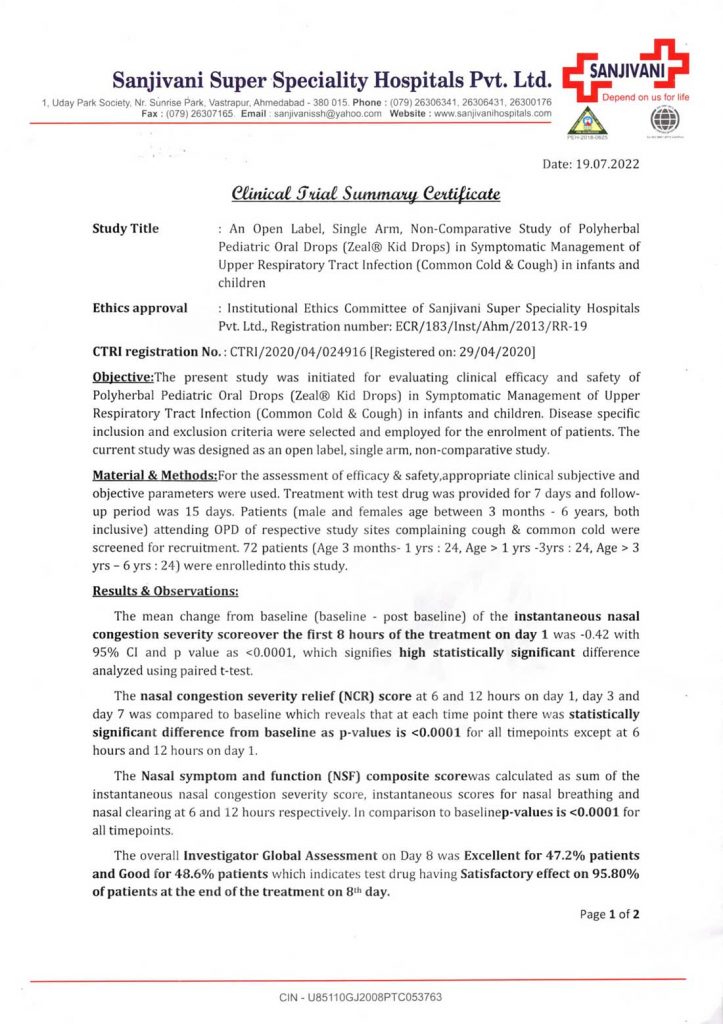
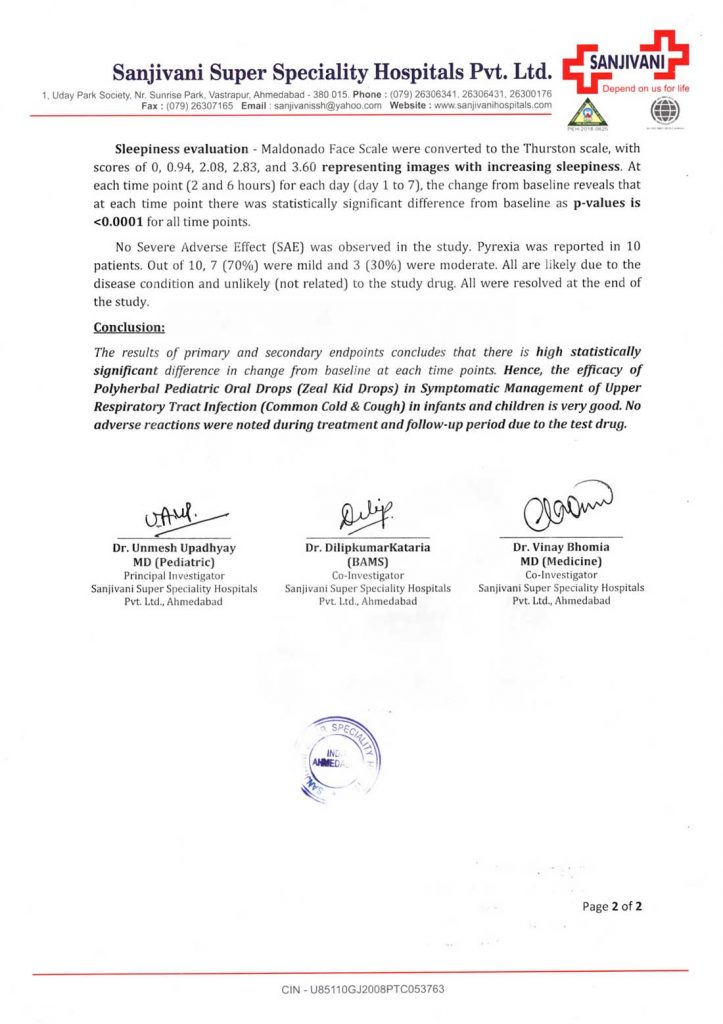
Cough is the most common symptom of respiratory diseases. When cough becomes serious, opioids are effective, but they have side effects like sedation, constipation, some addiction liability and also compromise the respiratory function. Therefore, there is need to have effective antitussive agent. The present study was carried out to evaluate safety and antitussive activity of Polyherbal formulation – Zeal Cough Syrup in Sulphur dioxide (SO2) induced cough model in mice at different dose level of 0.25ml/kg p.o. and 0.5ml/kg p.o. It was also compared with modern medicine available in the market i.e. Codeine + Chlorpheniramine maleate (10 mg/kg). Both the doses of Polyherbal formulation showed significant antitussive activity (p<0.001) in Sulphur dioxide induced cough model. Thus, this formulation can prove to be useful for alleviating cough. Hence, it was concluded that, Zeal Cough Syrup is having potent antitussive activity yet safe polyherbal formulation for use in respiratory care.
M.B.Patel, V.M.Kadakia, S.H.Mishra
1. Pharmacy Department, Kalabhavan, Faculty of Technology and Engineering, The M.S.University of Baroda, Vadodara – 390 001, India
Abstracts:
Andrographolide and wedelolactone are active components of Andrographis paniculata and Eclipta alba, respectively. The extracts of these plants are used in many traditional hepatoprotective formulations. An attempt has been made to develop an accurate, precise and specific HPTLC method to quantify simultaneously both these chemical markers of diversified chemical structures in different dosage form like tablet and syrup. Pre-coated silica 60F254 plates with toluene: acetone: formic acid (9:6:1) as mobile phase and detection wavelength 254 nm were used. The method was validated in terms of linearity, accuracy, precision and specificity. The calibration curve was found to be linear between 200 to 400 ng/spot for Andrographolide and 100 to 200 ng/spot for wedelolactone. The limit of detection and the limit of quantification for Andrographolide were 26.16 and 79.28 ng/spot, respectively and for wedelolactone 5.06 and 15.32 ng/spot, respectively.
Kamal Kardani, Nilesh Gurav*, Bhavna Solanki, Prateek Patel, Bhavna Patel
1. Post Graduate Department of Pharmaceutical Sciences, Sardar Patel University, Vallabh Vidyanagar, Gujarat- India.
2. Vasu Research Centre, A Division of Vasu HealthCare Pvt Ltd. Vadodara, Gujarat- India.
Abstracts:
A new simple, accurate, precise, sensitive and validated RP-HPLC method was developed for the estimation of Gallic acid in bulk and pharmaceutical tablet dosage form. The chromatographic conditions used for the separation was Phenomenex Luna C18 (2) (4.6 x 250mm, 5μ), rheodyne manual injector with capacity of 20μL and mobile phase comprised of Water: Acetonitrile (80: 20%v/v) and pH is maintained at 3.00 using Ophosphoric acid (OPA). The flow rate was 1.0mL/min with detection at 272nm. The retention time was found to be 3.60min. The linearity was found to be in the range of 0.5-50μg/mL for Gallic acid with correlation coefficient of 0.9994. The proposed method is accurate with 99.97% – 100.58 % recovery and precise (%RSD of repeatability, intra-day and inter-day variations were 1.26%, 0.48-0.95%, 0.80-1.83%). The Limit of Detection (LOD) and Limit of Quantification (LOQ) were found to be 0.0178μg/mL and 0.0539μg/mL respectively. The amount of Gallic acid in Polyherbal tablet was found to be 1.63%.
Bhatt Swati, Upadhyay Umesh, Upadhyay Siddhi, Soni Hardik*, Patel Prateek
1. Sigma Institute of Pharmacy, Ajwa-Nimeta Road, Bakrol, Waghodia, Vadodara – 390019, Gujarat, India.
2. Vasu Research Centre (A Division of Vasu Healthcare Pvt. Ltd.), 896/A, G.I.D.C., Makarpura, Vadodara – 390010, Gujarat, India.
Abstracts:
To evaluate the Acute toxicity study and Anti-asthmatic activity of Zeal Herbal Granules. Materials & Methods: In the present study, acute toxicity study was carried out as per OECD guideline 423. Anti-asthmatic activity of Zeal Herbal Granules was investigated against compound 48/80-induced mast cell degranulation. Percentage mast cell degranulation was calculated at different concentration level i.e.1, 10, 100 and 1000 μg/mL. Results: Zeal Herbal Granules showed significant protection of rat mesenteric mast cells from disruption caused by compound 48/80. Significant dose dependent effect was observed in percentage mast cell degranulation at different dose level of Zeal Herbal Granules in comparison to negative control. 26.83% mast cell degranulation was observed at 1000 μg/mL dose level of Zeal Herbal Granules. Conclusion: The present study revealed that Zeal Herbal Granules has significant anti-asthmatic activity against compound 48/80-induced mast cell degranulation comparable to that produced by Ketotifen fumarate. There was no lethal and toxic reactions found among the tested animals. Zeal Herbal Granules can be a safe and effective drug for patient with asthmatic complaints.
Patel Hirenjal, Upadhyay Umesh, Upadhyay Siddhi, Soni Hardik*, Patel Prateek
1. Sigma Institute of Pharmacy, Ajwa-Nimeta Road, Bakrol, Waghodia, Vadodara – 390019, Gujarat, India.
2. Vasu Research Centre (A Division of Vasu Healthcare Pvt. Ltd.), 896/A, G.I.D.C., Makarpura, Vadodara – 390010, Gujarat, India.
Abstracts:
Cough is the most common symptom of respiratory diseases. When cough becomes serious, opioid drugs are effective, but they have side effects like sedation, delirium, constipation etc.. Therefore, there is a need to search out effective anti-tussive agents that are free from previously mentioned side effects. The present study was carried out to evaluate acute oral toxicity study and anti-tussive activity of Vasu Cough Syrup in sulphur dioxide (SO2)-induced cough model in mice. Albino mice of either sex, weighing 25-30 g were divided into four groups (n = 6). Group I served as Disease control, Group II received standard drug i.e. Codeine phosphate (10 mg/kg), p.o., group III to IV were given Vasu Cough Syrup 0.25mL/kg and 0.5mL/kg body wt. p.o., dose. After 30 minutes, the mice were exposed to Sulphur dioxide for 30 sec. The mice were then placed in an observation chamber for counting of cough bouts for five minutes. Vasu Cough Syrup showed 63.91% and 70.64% inhibition in frequency of cough at 0.25mL/kg and 0.5mL/kg dose level respectively. It proves significant anti-tussive activity of Vasu Cough Syrup in Sulphur dioxide induced cough model. Thus, Vasu Cough Syrup can be useful as an alternative medicine for cough.
Kruti Pandya*, Vidhi Parikh, Ghanshyam Patel, Krunal Ukani
1. Vasu Research Centre (A Division of Vasu Healthcare Pvt Ltd.), Vadodara – Gujarat, India.
Abstracts:
Leucorrhoea refers to an abnormal or excessive whitish secretion from vagina which in normal condition acts as a moisturizer and a protective coating over the vaginal wall. In majority of the cases, Candida albicans, a yeast like fungus is one of the organism commonly responsible for developing pathological condition of Leucorrhoea. Hence, this study was conducted to study anti fungal activity of Herbo-mineral Formulation – Meryton-L Tablet in two different solvents against Candida albicans. It was compared with a standard anti-fungal agent Miconazole with a concentration of 30mcg/disk. The results have shown promising anti-fungal activity of Meryton-L Tablet comparable to standard Miconazole. Hence Meryton-L Tablet can be employed as an effective anti-fungal therapy while treating Leucorrhoea.
Rakholiya Hetal, Pandya Kruti, Parikh Vidhi, Patel Prateek, Patel Ghanshyam, Dave Pragnesh
1. Vasu Research Centre (A Division of Vasu Healthcare Pvt Ltd.), 896/A, GIDC, Makarpura, Vadodara-390 010, Gujarat, India.
2. K. S. K. V Kachchh University, Mundra Road, Bhuj-370 001, Gujarat, India.
Abstracts:
More than half the world’s population is dependent on herbal drugs and in order to enter into the global market it is vital to maintain the quality. Initially the crude drugs were identified by comparison only with the standard description available. At present due to advancement in the chemical knowledge of crude drugs various methods like botanical, chemical and biological methods are being used for estimating active constituents present in the crude drugs in addition to its physical constants. According to pharmaceutical manufacturers association of U.S. “quality is the sum of all the factors which contribute directly or indirectly to the safety, effectiveness and acceptability of the product. In this research work, a polyherbal formulation (PHF), Ural Tablet has been taken to establish its standardization level using various physic chemical parameters such as pH, Moisture content, ash values, HPTLC fingerprinting and assays of marker compounds with the aid of sophisticated instruments and was carried out to check the presence of the raw materials in comparison with the finished product. Study results revealed that product was well standardized at selected analytical parameters. All the tests were carried out in triplicates after which their SD was calculated. All the raw materials as well as finished product were found free from heavy metal and microbial contaminants.
Hardik Soni*, Ghanshyam Patel, Megha Shah, Mayank Panchal, Krishna Murti
1. Vasu Research Centre, A Division of Vasu Healthcare Pvt. Ltd., 896/A, GIDC, Makarpura, Vadodara, Gujarat, India.
2. Department of Pharmacognosy, Vidyabharti Trust College of Pharmacy, Umrakh, Gujarat, India.
3. Department of Pharmacology, Vidyabharti Trust College of Pharmacy, Umrakh, Gujarat, India.
Abstracts:
Background: Rheumatoid arthritis is a chronic multi-system disease of unknown cause. It affects people in their prime of life, predominantly between the ages of 20-50 years with unpredictable course. Dazzle ointment is a polyherbal for-mulation, used for the treatment of inflammation and rheumatoid arthritis. Objective: The present study was planned to evaluate efficacy of Dazzle ointment using complete Freund’s adjuvant-induced arthritic model. Materials and Methods: The animals were divided into three groups of 6 animals each as CFA treated, standard drug and test drug treated groups. The animals were injected with 0.2 ml of complete Freund’s adjuvant into the sub-plantar surface of left hind paw. Drugs were administered topically, once a day, commenced on the day of injection of adjuvant and continued for 21 days. The assessment of the change in the inflammatory reaction was made by measuring the paw volume plethysmographically on 0, 4th, 14th, 17th, 21st day after injection of complete Freund’s adjuvant (CFA). The statistical significance was assessed using one-way analysis of variance (ANOVA) followed by Dunnet’s compari-son test. A p value of < 0.05 was considered as statistically significant. Results: It was observed that Dazzle ointment produced significant anti-arthritic effect on 21st day. In CFA treated group, there was marked increase in the ESR and WBC count which was significantly decreased by test drug Dazzle ointment and standard drug diclofenac gel (Omni gel). Conclusion: The results indicate that Dazzle ointment possesses anti-arthritic activity in the experimental animal model.
Bijal N. Shah*, Hardik K. Soni, Ghanshyam R. Patel, Pooja D. Patel, Archana N. Paranjape
1. Vasu Research Centre, A Division of Vasu Healthcare Pvt. Ltd., 896/A, G.I.D.C., Makarpura, Vadodara, Gujarat, India.
2. Baroda College of Pharmacy, Gujarat Technological University, Waghodia, Vadodara, Gujarat, India.
Abstracts:
Obesity is one the most common and now considered as global health problem which triggers many other metabolic disorders. In the present study, a polyherbal formulation – Simlim Capsule was evaluated for its antiobesity activity in high fat diet (HFD) induced male Wistar albino rats. It was also compared with modern medicine available in the market i.e. Orlistat. It was revealed that HFD elicited significant increase in body weight, daily food intake, and serum levels of glucose, total cholesterol, LDL Cholesterol, VLDL cholesterol, Triglycerides, ALT and AST level. Treatment with Simlim Capsule in dose of 180mg/kg (p.o) inhibited rise in body weight and daily food intake which shows its hypophagic activity. It also reduced lipid level such as triglyceride, LDL, VLDL and serum glucose levels while high density lipoproteins (HDL) was found increased which indicates its cardio protective activity. It has also significantly reduced ALT and AST level in serum. Histopathological changes of liver like hepatic steatosis induced by high fat diet was overcame by Simlim capsule and results were found comparable with Orlistat. Hence, it was concluded that Simlim Capsule is having anti-obesity activity by reducing cholesterol and triglyceride content, thus helping to reduce weight.
C. Pethani, K. Pandya, V. Parikh1, P. Patel, G. Patel, P. Dave
1. Vasu Research Centre (A Division of Vasu Healthcare Pvt Ltd.), 896/A, GIDC, Makarpura, Vadodara-390 010, Gujarat, India.
2. K. S. K. V Kachchh University, Mundra Road, Bhuj-370 001, Gujarat, India.
Abstracts:
The quality of herbal drugs is the sum of all factors which contribute directly or indirectly to the safety, effectiveness and acceptability of the product. Standardization of drugs means confirmation of its identity and determination of its quality and purity. At present due to advancement in the chemical knowledge of herbal drugs various analytical methods are used for qualitative and quantitative estimation of active constituents present in the herb. In this research work, a polyherbal formulation (PHF), Spark Royal Oil has been taken to establish its standardization level using various physic chemical parameters such as pH, Moisture content, ash values, HPTLC fingerprinting and assays of marker compounds with the aid of sophisticated instruments. HPTLC fingerprinting was carried out to check the presence of the raw materials in comparison with the finished product. Study results revealed that product was well standardized at selected analytical parameters. All the raw materials as well as finished product were found free from heavy metal and microbial contaminants. Materials & Methods: All the parameters required for the standardization of the product were carried out using standard protocols Results: All the raw materials tested for were within the specified limits. They were tested for the physio chemical parameters and also checked for the presence of actives in the extracts. The presence of raw materials was compared with that of the finished product using sophisticated instruments like HPTLC. Conclusion: Thus from the above study we can conclude that the poly herbal formulation, Spark Royal Oil can be called of standard quality as they comply for all the parameters and are free of contaminants.
A. Shah, N. Gurav*, B. Solanki, P. Patel and J. Modi
1. Parul Institute of Pharmacy and Research 1, P.O. Limda, Tal. Waghodia- 391 760 Vadodara, Gujarat, India
2. Vasu Research Center, A Division of Vasu Healthcare Pvt. Ltd. 2, 896/A GIDC, Makarpura, Vadodara, Gujarat, India
Abstracts:
A simple HPTLC method has been developed for the estimation of Gallic acid and Piperine in methanolic extract of Zeal herbal granules [ZHG], a Polyherbal formulation. The separation was performed on TLC aluminum plates precoated with silica gel 60 F254, good separation was achieved in the mobile phase of toluene: ethyl acetate: formic acid (11: 15: 1v/v/v) and densitometry determination of Gallic acid (0.50 Rf) and Piperine (0.70 Rf) was carried out at single wavelength scanning at 254 nm. The method validated as per ICH guideline, shows regression co-efficient value for Piperine 0.9992 and 0.9979 for Gallic acid in range of 40-90 μg/mL Recovery of Piperine and Gallic acid in final product found in range of 98-102%. Precision study (interday & intraday) showed that the relative standard deviation is less than 2%, showing method is well precise. Quantification study shows 0.23 % w/w of Piperine and 0.37 % w/w of Gallic acid in ZHG. Present study shows that developed method is simple, precise, specific, robust and accurate, and could find application in routine quality-control analysis of Polyherbal formulation.
Maunang M. Patel, Bhavna R. Solanki, Nilesh C. Gurav, Prateek H. Patel, Shweta S. Verma
1. Vasu Research Centre (A Division of Vasu Healthcare Pvt. Ltd.), 896/A, G.I.D.C, Makarpura, Vadodara, Gujarat, India
2. Department of Pharmacy, Sumandeep Vidyapeeth, Pipariya, Waghodiya, Vadodara, Gujarat, India
Abstracts:
A simple, specific, accurate, precise and robust high performance thin‑layer chromatographic method has been developed and validated for estimation of Lawsone in Trichup herbal hair powder (coded as a THHP), polyherbal formulation. The chromatographic development was carried out on aluminum plates pre-coated with silica gel 60F254 and good resolution was achieved with Toluene: Ethyl acetate: Glacial acetic acid (8:1:1 v/v/v) as mobile phase. Lawsone detection was carried out densitometrically at 277 nm and obtained retardation factor value was 0.46 ± 0.02. The method was validated with respect to specificity, linearity, accuracy, precision and robustness. The calibration curve was achieved to be linear over a range of 5‑60 μg/ml and regression coefficient was obtained 0.998. Accuracy of chromatographic method was evaluated by standard addition method; recovery was obtained 99.25 ± 0.61%. The peak purity of Lawsone was achieved 0.999 r. Relative standard deviation for intraday and inter‑day precision was 0.37‑0.56% and 0.42‑0.55%, respectively. The limit of detection and limit of quantification of the Lawsone were found to be 1.08 μg/m land 3.28 μg/ml, respectively. This result shows that the method was well validated. In the present study, the Lawsone content was found 0.322 ± 0.014% in THHP. This study reveals that the proposed high performance thin layer chromatography method is accurate, fast and cost‑ effective for routine estimation of Lawsone in polyherbal formulation.
Thakkar Tejas, Patel Rakesh, Soni Hardik*, Patel Ghanshyam
1. S.K.Patel College of Pharmaceutical Education and Research, Ganpat University, Kherva, Mehsana, Gujarat, India.
2. Vasu Research Centre (A Division of Vasu Healthcare Pvt. Ltd.), 896/A, G.I.D.C., Makarpura, Vadodara, Gujarat, India.
Abstracts:
There are considerable amount of scientific evidences available for diuretic activity of individual ingredients of a polyherbal formulation Ural Syrup however no evidence has been found which proves overall safety and efficacy of the formulation. The present study was undertaken to investigate safety as well as Diuretic activity of this polyherbal formulation – Ural Syrup. Acute toxicity study was carried out as per OECD Guideline 420. The Ural syrup (1.8 mL/kg and 3.6 mL/kg) was tested for its diuretic activity on rat model. Hydrochlorothiazide (HCTZ) (10 mg/kg) was used as positive control in study. The diuretic effect of the Ural syrup was evaluated by measuring urine volume, pH and excretion of sodium and potassium content. In result, significant increase in urine volume was observed at both dosage levels of Ural syrup in comparison to normal control group. There was no significant change observed in pH of urine. The excretion of Sodium was also found significantly increased at both dosage levels but more in TEDx2 group with respect to TED group. Potassium excretion was found increased only at TEDx2 group as compared to normal control group. It can be concluded that Ural syrup produced considerable diuretic effect which appeared to be comparable to that produced by the reference diuretic HCTZ. There was no lethality and toxic reaction found among the tested animals. The present study provides scientific support that Ural syrup can be employed as a safe and effective diuretic drug.
Kruti N Pandya*, Alok J Shah1*, Sonal S Patel, Vidhi B Parikh, Ghanshyam R Patel, Hardik K Soni
1. K. B. Institute of Pharmaceutical Education and Research (KBIPER) Gh-6, sector 23, Gandhinagar
2. Vasu Research Centre (A Division of Vasu Healthcare Pvt Ltd), 896/A, GIDC, Makarpura, Vadodara, India
Abstracts:
Evaluation of Antifungal activity of herbo-mineral formulation and its ingredients were tested In-vitro against yeast Candida albicans by various methods using Miconazole as standard drug. Simultaneously safety study (skin irritation test) of herbal-mineral formulation was also performed according to OECD guidelines. Safety of the formulation was proved by skin irritation test and efficacy of the formulation was proved by In-vitro antifungal bio-assay. Materials & Methods: The product was first checked for its solubility followed by anti fungal activity using both the Cup Method and Kirby Bauer Method. The Skin irritation test was carried out on Healthy adult male Wistar rats weighing 250-300g. All experiments and protocols described in present study were approved by the Institutional Animal Ethics Committee (IAEC) (Approval No.: KBIPER/IAEC/2012/353) of KBIPER (K.B. Institute of pharmaceutical education and research) and with permission from Committee for the Purpose of Control and Supervision of Experiments on Animals (CPCSEA) (Reg. No.: 35/1999/CPCSEA), Ministry of Social Justice and Empowerment, Government of India Results & Discussion: The study clearly shows that the herbo-mineral formulation is showing good in-vitro anti-fungal activity against C. albicans and no skin irritation or adverse effects were observed in animals during the entire study.
Hardik K. Soni*, Jalak M. Kandachia, Deepti K. Jani, Ghanashyam R. Patel
1. Vasu Research Centre, A Division of Vasu Healthcare Pvt. Ltd., 896/A, G.I.D.C., Makarpura, Vadodara – 390 010, Gujarat, India.
2. Department of Pharmacology, Babaria Institute of Pharmacy, BITS edu campus, vadodara-mumbai NH#8, Varnama, Vadodara – 391 240, Gujarat, India.
Abstracts:
Osteoporosis is a bone disease characterized by low bone mass, disturbed bone micro-architecture, increased fragility and consequent increase in fracture risk. The objective of present study was to evaluate Bonton capsule for its anti-osteoporotic activity in ovariectomized rat model at two different dose levels i.e. Therapeutic Effective Dose (TED) 180 mg/kg/day and Double to Therapeutic Effective Dose (TEDx2) 360 mg/kg/day. 24 healthy female wistar rats were divided into 4 groups and each group was containing 6 animals. Group 1 was considered as a normal control group fed with 1% Carboxy Methyl Cellulose (CMC) suspension. Group 2 was considered as Disease control group which was ovariectomized (OVX) and was fed with 1% CMC suspension. Group 3 and 4 were orally treated with Bonton capsule at TED (180 mg/kg/day) and TEDx2 (360 mg/kg/day) respectively. The present study was evaluated using biochemical parameters like serum alkaline phosphatase (ALP), serum calcium, femoral bone parameters, bone breaking strength, body weight and Histopathological study of the bone. The treatment with Bonton capsule at TED (180 mg/kg/day) showed significant decrease in serum ALP and significant increase in serum calcium level. It also showed significant changes in femoral parameters and histopathological study of bone where TEDx2 (360 mg/kg/day) was observed moderately significant. Hence, it can be inferred that Bonton capsule at experimented therapeutic dose levels provides good anti-osteoporotic activity against ovariectomized rat.
J Sojitra, P Dave, K Pandya*, V Parikh, P Patel, G Patel
1. K. S. K. V Kachchh University, Mundra Road, Bhuj-370 001, Gujarat, India
2. Vasu Research Centre (A Division of Vasu Healthcare Pvt Ltd.), 896/A, GIDC, Makarpura, Vadodara-390 010, Gujarat, India.
Abstracts:
Standardization of Ayurvedic formulations is an important step for the establishment of a consistent biological activity, chemical profile, or simply a quality assurance program for production and manufacturing of herbal drugs. WHO specifies guidelines for the assessment of the safety, efficacy and quality of herbal medicines as a prerequisite for global harmonization. Hence it is very essential to ensure that each packet sold in the market is standardized. In this research work, a polyherbal formulation (PHF), Caspa Drops has been taken to establish its standardization level using various physicochemical parameters. For raw material various parameters such as pH, Moisture content, ash values, HPTLC fingerprinting, assays of marker compounds etc. were carried out to confirm their quality and potency. The presence of the raw materials in the finished product was carried out with the aid of sophisticated instruments. Study results revealed that product was well standardized at selected analytical parameters. All the tests were carried out in triplicates after which their SD was calculated. All the raw materials as well as finished product were found free from heavy metal and microbial contaminants.
Hardik Soni*, Tejas Thakkar, Rakesh Patel, Ghanashyam Patel
1. Vasu Research Centre, A Division of Vasu Healthcare Pvt. Ltd., Makarpura, Vadodara – 390 010, Gujarat, India.
2. S.K.Patel College of Pharmaceutical Education and Research, Ganpat University, Kherva, Mehsana, Gujarat, India.
Abstracts:
Urolithiasis is the third most common disorder of urinary system with high recurrence rate. The present day medical management of urolithiasis is either quite expensive or not without side effects. Invasive treatment procedures for urolithiasis always include risk of serious complications along with high cost to the patient. Hence the search for anti-urolithiatic drugs from natural sources has been of greater importance. Ural capsule is the patent & proprietary Ayurvedic formulation used for the treatment of kidney stone. Majority of its ingredients are reported individually for the treatment of urolithiasis in Ayurvedic texts. However, no such evidence was found available which proves safety and efficacy of such combinations. Hence, present study was conducted to evaluate toxicity and anti-urolithiatic efficacy of Ural Capsule. Healthy male Wistar rats were used in the present study and were divided randomly into 3 groups. Group I was considered as normal control and was fed 1% Carboxy Methyl Cellulose (CMC) suspension. Group II was considered as lithiatic control and served 0.75% ethylene glycol in drinking water ad libitum for 28 days. Group III was considered as Ural capsule treated (UCT) and received 0.75% ethylene glycol in drinking water ad libitum. After 14th day and 28th day blood and urine sample were collected. Bio-chemical parameters like calcium, phosphorus, creatinine and uric acid were estimated in serum and urine. Histopathology of kidney was also carried out. Ural capsule treatment showed highly significant effect on urine and serum biochemical parameters. No mortality was observed during acute oral toxicity study at 2000 mg/kg and 5000 mg/kg. From the available data it can be concluded that the treatment of Ural capsule showed significant anti-urolithiatic effect on ethylene glycol induced urolithiasis in rats. It can be a safe and effective therapy for the treatment of kidney stone.
Soni Hardik K*, Patel Vrushali V, Vaghasiya Jitendra D, Patel Vandana B, Patel Ghanshyam R
1. Vasu Research Centre, A Division of Vasu Healthcare Pvt. Ltd., 896/A, G.I.D.C., Makarpura, Vadodara – 390 010, Gujarat, India.
2. Department of Pharmacology, Babaria Institute of Pharmacy, BITS Edu campus, Vadodara-Mumbai NH#8, Varnama, Vadodara – 391 240, Gujarat, India.
Abstracts:
Urolithiasis is the most common urinary tract disorder with high recurrence. But, unfortunately most of its treatments are expensive or having side effects. Therefore, the search for anti-urolithiatic drugs from natural sources has been of great importance. UCEX01 is the herbo-mineral Ayurvedic formulation used for the treatment of kidney stone. But, no scientific evidences are available which proves safety and efficacy of such combination. Hence, present study was conducted to evaluate acute toxicity and anti-urolithiatic activity of UCEX01. Healthy male Wistar rats were used by dividing randomly into 4 groups. Group I was considered as normal control. Group II was as Disease control, Group III as UCEX01 treated with Therapeutic Effective Dose (TED-I) and Group IV was as UCEX01 treated with double of Therapeutic Effective Dose (TED-II). After 28th day, blood and urine sample were collected. Urine volume and pH was measured immediately. Bio-chemical parameters like calcium, phosphorus, creatinine and uric acid were estimated in serum and urine. Histopathology of kidney was also carried out. No mortality was observed during acute oral toxicity study. On basis of study data it can be concluded that the treatment of UCEX01 has significant anti-urolithiatic effect on ethylene glycol induced urolithiasis in rats. The underlying mechanism(s) of this effect is unknown however it may be attributed to its diuretic, anti-inflammatory and lowering of urinary concentrations of stone-forming elements. It can be a safe and effective remedy for the treatment of kidney stone.
Soni Hardik K.*, Joshi Shefali K., Zaveri Maitreyi N., Patel Sonal S., Patel Ghanashyam R.
1. Vasu Research Centre (A Division of Vasu Healthcare Pvt. Ltd.), 896/A, G.I.D.C., Makarpura, Vadodara – 390010, Gujarat, India.
2. Department of Pharmacognosy and Phytochemistry, K.B. Institute of Pharmaceutical Education and Research, Sector – 23, Near GH – 6, Gandhinagar – 382 023, Gujarat, India.
Abstracts:
Musculoskeletal injuries are most common risk factors for sport persons. Pain and swelling are the most common associated symptoms of such injuries. A use of non-steroidal anti-inflammatory drugs (NSAIDs) has been routine in the management of musculoskeletal inflammation and pain. Although effective at reducing pain and inflammation, NSAIDs may not be appropriate to use frequently or longer time due to their known side effects. Herbal and Ayurvedic products are widely perceived as safe due to their natural origin and long historical clinical use. Hence in the present study, Dazzle Cool Cream – An Ayurvedic proprietary formulation has been selected for evaluation of its anti-inflammatory and analgesic activity. Anti-inflammatory activity was evaluated by Complete freund’s adjuvant (CFA) induced acute and chronic phase inflammation. Analgesic activity was evaluated by Hot plate method and Tail flick method. Total study was performed on 10 groups of animal where each group was containing 6 animals. Marketed gel containing Diclofenac diethylamine BP 1.16% w/w was considered as standard drug for both activities. Paw volume was significantly lowered at 7th, 14th and 21st day in test drug and standard drug group with respect to disease control. Dazzle Cool Cream showed 28.16% inhibition in paw volume at 21st day which was comparable to standard marketed gel containing Diclofenac diethylamine BP 1.16% w/w showing 29.88% inhibition. Dazzle Cool Cream showed significant effect on inflammatory markers such as ESR, CRP and WBC. It also exhibited significant analgesic activity in both Hot plate and Tail flick nociceptive tests. On the basis of available results, it can be concluded that Dazzle Cool Cream has promising anti-inflammatory and analgesic activity.
Jitendra Modi, Hardik Soni, Kruti Pandya, Ghanshyam Patel, Nikunjana Patel
1. Department of Pharmacognosy; S.K Patel College of Pharmaceutical Education and Research, Ganpat University, Kherva – 382711, Mehsana, Gujarat, India.
2. Vasu Research Centre (A Division of Vasu Healthcare Pvt Ltd.), 896/A, GIDC, Makarpura, Vadodara – 390010, Gujarat, India.
Abstracts:
Herbal formulations have reached extensive acceptability as therapeutic agents for several diseases. The development of authentic analytical methods which can reliably profile the phytochemical composition, including quantitative analysis of the active compound and other major constituents, is a major challenge to scientists. Standardization is an important step for the establishment of a consistent biological activity, a consistent chemical profile, or simply a quality assured for the manufacturing of herbal drugs. The WHO specifies guidelines for the assessment of the safety, efficacy and quality of herbal medicines as a prerequisite for global harmonization. Present study was focused on an exhaustive standardization of Herbo-mineral syrup preparation Zeal Cough Syrup which was carried out employing the basic organoleptic test, physico-chemical tests, and bio-assays by sophisticated instruments like HPLC, HPTLC. HPTLC fingerprinting, assays of marker compounds etc. were carried out to confirm their quality and potency. The presence of the raw materials in the finished product was carried out with the aid of sophisticated instruments. The study results revealed that the syrup formulation was well standardized at various levels such as Physical consistency, Chemical profile, Microbial and Heavy metal limits.
Ekta Rabadiya, Hardik Soni, Kruti Pandya*, Ghanshyam Patel, Maitreyi Zaveri, Sonal Patel
1. Vasu Research Centre (A Division of Vasu Healthcare Pvt Ltd.), 896/A, GIDC, Makarpura, Vadodara – 390010, Gujarat, India.
2. Department of Pharmacognosy & Phytochemistry, K. B. Institute of Pharmaceutical Education and Research, Gandhinagar 382023.
Abstracts:
Standardization of Ayurvedic formulations is an important step for the establishment of a consistent biological activity, chemical profile, or simply a quality assurance in herbal drugs. The WHO specifies guidelines for the assessment of the safety and quality of herbal medicines as a prerequisite for global harmonization. The present study was focused on an exhaustive evaluation of standardization parametersof a herbo-mineral Ayurvedic tablet preparation “Trichup Tablet”. This was carried out employing the basic organoleptic test, physicochemical tests, and bio-assays by sophisticated instruments like HPLC and HPTLC. HPTLC fingerprinting, assays of marker compounds were carried out to confirm the presence of the raw materials in the finished product along with their quality and potency. The study results revealed that the Tablet formulation was well standardized at various levels such as Physical consistency, Chemical profile, Microbial and Heavy metal limits.
Soni Hardik*, Rabadiya Ekta, Zaveri Maitreyi, Patel Sonal, Patel Ghanashyam
1. Vasu Research Centre (A Division of Vasu Healthcare Pvt. Ltd.), 896/A, G.I.D.C., Makarpura, Vadodara – 390010, Gujarat, India.
2. Department of Pharmacognosy and Phytochemistry, K.B. Institute of Pharmaceutical Education and Research, Sector – 23, Near GH – 6, Gandhinagar – 382 023, Gujarat, India.
Abstracts:
Large number of people around the world is suffering from hair loss (alopecia) or hair thinning. Though hair loss is not a life threatening health issue it can make life distressful and can thereby affect physical and mental health of human being. To find solution of such problems, an attempt has been made to evaluate the hair growth promotion activity of a herbo-mineral Ayurvedic formulation, Trichup Capsule. Safety of drug was also evaluated by conducting acute toxicity study as per OECD guideline. For evaluation of hair growth promoting activity, selected animals were divided in to three groups where each group was consisting of six animals. TED and TED×2 group was treated with Trichup Capsule at 171 mg/kg/day and 342 mg/kg/day, p.o., for 30 days respectively. Visual parameters, hair length, hair diameter and serum total protein were determined. At the end of the study, animals did not manifest any signs of toxicity or mortality. Treatment of Trichup Capsule showed significant effect on all visual parameters. Length and diameter of hairs were significantly increased in TED and TED×2 groups. Serum total protein was also observed to be elevated in TED and TED×2 groups in comparison to normal control. Present study data revealed that Trichup Capsule is safe and having significant hair growth promoting activity.
Hardik Soni*, Jigme Wangmo, Arindam Paul, Ghanshyam Patel
1. Vasu Research Centre, A Division of Vasu Healthcare Pvt. Ltd., 896/A, G.I.D.C., Makarpura, Vadodara – 390 010, Gujarat, India.
2. Department of Pharmacology, Babaria Institute of Pharmacy, BITS edu campus, vadodara-mumbai NH#8, Varnama, Vadodara – 391 240, Gujarat, India.
Abstracts:
The objective of present research work was to investigate in-vitro digestive property and in-vivo anti-ulcer activity of Pep-Up Tablet in aspirin-induced acute gastric ulcer. In-vitro investigation of Pep-Up Tablet for digestive property was performed by means of evaluating amylolytic, lipolytic and proteolytic activity in comparison with blank. For In-vivo evaluation, on aspirin induced acute gastric ulcer model in rats, animals were divided in to three groups where each group was consisting of six animals. Group-I, II and III was considered as Normal control, Disease control and Pep-Up Tablet treated respectively. Pep-Up Tablet (200 mg/kg/day) treatment was provided for 7 days orally. Ulcer index, gastric wall mucus content, lipid peroxidation level in stomach tissue and tissue anti-oxidant parameters like superoxide dismutase (SOD), reduced glutathione and catalase enzyme activity were carried out. Histopathology of stomach tissue was also performed. Statistical calculations were done by analysis of variance (ANOVA) followed by post hoc Bonferroni’s test, with significant level of p<0.05. In present study, Pep-Up Tablet showed noticeable amylolytic, lipolytic and proteolytic activity. Pre-treatment of Pep-Up Tablet showed significant protection against aspirin induced ulceration and loss of gastric wall mucus content. Study also revealed significant increase in tissue anti-oxidant parameters. Histopathology study revealed that Pep-Up Tablet provides significant cyto-protection against aspirin induced mucosal damage. On the basis of study data, it can be concluded that Pep-Up Tablet possesses considerable property of digesting starch, lipids and proteins. Data also revealed that Pep-Up Tablet exhibits anti-ulcer activity against aspirin induced acute gastric ulcer.
Soni Hardik*, Kandachia Jalak, Jani Deepti, Patel Ghanashyam
1. Vasu Research Centre, A Division of Vasu Healthcare Pvt. Ltd., 896/A, G.I.D.C., Makarpura, Vadodara – 390 010, Gujarat, India
2. Department of Pharmacology, Babaria Institute of Pharmacy, BITS Education campus, Vadodara-Mumbai NH#8, Varnama, Vadodara – 391 240, Gujarat, India
Abstracts:
Osteoporosis is a multi-factorial disease characterized by reduced bone mass and impaired micro-architecture, leading to an increased susceptibility to fractures. The objective of present study was to evaluate antiosteoporotic activity of Bonton Active Granules in ovariectomized rat model at two different dose levels i.e. Therapeutic Effective Dose (TED) 0.9 g/kg/day and double the dose (TED×2) 1.8 g/kg/day. 24 healthy female wistar rats were divided into 4 groups where each group was containing 6 animals. Group-1 was considered as a normal control group fed with 1% Carboxy Methyl Cellulose (CMC) suspension. Group-2, a Disease control group was containing ovariectomized (OVX) rates fed with 1% CMC suspension. Group 3 and 4 were orally treated with test drug at TED (0.9 g/kg/day) and TED×2 (1.8 g/kg/day) respectively. Present study included parameters like serum alkaline phosphatase (ALP), serum calcium, femoral bone parameters, bone breaking strength, body weight and histopathological study of bone. Treatment with Bonton Active Granules at both dose levels showed significant decrease in serum ALP and significant increase in serum calcium level. It also showed significant changes in femoral parameters and histopathology of bone. Hence, it can be inferred that Bonton Active Granules at both experimented therapeutic doses provides good anti-osteoporotic activity against ovariectomized rat.
Hitesh Gohel, Dr. J.J Bhatt, Vidhi Parikh*, Hardik Soni, Prateek Patel, Ghanshyam Patel
1. Department of Chemistry , Krantiguru Syamji Krushna Verma Kachchha University ,Bhuj, Gujrat, India
2. Vasu Research Centre (A Division of Vasu Healthcare Pvt. Ltd.), 896/A, G.I.D.C., Makarpura, Vadodara, Gujarat, India.
Abstracts:
In order to have a good coordination between quality of raw materials, in process materials and the final products, it is essential to have reliable, specific and sensitive quality control methods. The quality of herbal drugs is the sum of all factors which contribute directly or indirectly to the safety, efficacy and acceptability of the product. Standardization of drugs means confirmation of its identity and determination of its quality and purity. Cutisora tablet, a polyherbal formulation is used for the treatment of psoriasis. Raw materials as well as finished product were standardized using standard parameters such as organoleptic parameters, physico-chemical parameters, Comparative High Performance Thin Layer Chromatographic study (HPTLC), Microbial and Heavy metal analysis. The investigation data revealed the status of standardization at the level of raw materials and finished product. The obtained results were used to establish overall quality of the final product.
Kruti Pandya*, Ghanshyam Patel, Vidhi Parikh, Krunal Ukani, Sandeep Kargathiya
1. Vasu Research Centre, A Division of Vasu Healthcare Pvt. Ltd., 896/A, G.I.D.C., Makarpura, Vadodara – 390 010, Gujarat, India
Abstracts:
Haemorrhoids or internal piles are an extremely common condition encountered in surgical practice. Post surgery infections are one of the most common complications encountered in surgery and are a major cause of concern. This short paper is meant to be a preliminary assessment of the results carried out on one of the Ayurvedic Ointment formulated and manufactured by Vasu Healthcare Pvt Ltd., Vadodara. The ointment was tested against two gram positive bacteria viz; Staphylococcus aureus and Streptococcus pyogenes that are known to cause infection at the site of wounds or infection during surgery. The product was compared in two different ways; firstly it was compared with standard antibacterial discs Chloramphenicol 30mcg/disk and Ciprofloxacin 5mcg/disk. Secondly they were also screened against cream and ointment available in the market; the skin cream containing Framycetin Sulphate IP 1% w/w and the ointment containing Providone Iodine Ointment IP 5% w/w. The results of Kulon Ointment in comparison with the standards used showed promising results and thus can be used effectively during post surgical dressing of haemorrhoids.
Soni Hardik*, Rana Divya, Zaveri Maitreyi, Patel Sonal, Patel Ghanashyam
1. Vasu Research Centre, A Division of Vasu Healthcare Pvt. Ltd., 896/A, G.I.D.C., Makarpura, Vadodara – 390 010, Gujarat, India.
2. Department of Pharmacognosy and Phytochemistry, K.B. Institute of Pharmaceutical Education and Research, Sector – 23, Near GH – 6, Gandhinagar – 382 023, Gujarat, India.
Abstracts:
The stress is generally considered as the functional adaptation of the organism in order to cope up with changing and challenging environment. Exposure to stressful conditions is among the most common human experience. It has been reported that exposure to physical and mental stress situations can stimulate numerous pathways, leading to increased production of oxygen free radicals. In such situation, the antioxidant defense systems of body may become insufficient to scavenge all free radicals. In the present study, an attempt was made to evaluate acute toxicity of a herbo-mineral Ayurvedic formulation, Ranger capsule along with its in-vitro anti-oxidant property and in-vivo anti-stress activity. Acute toxicity study was carried out on wistar rats as per OECD Guidelines 423. For anti-stress activity forced swimming endurance test was carried out on wistar rats. During this study, Difference in rectal temperature and swimming time was noted. Blood samples were collected for estimation of serum cortisol and serum glucose level. The reduction potential of Ranger Capsule was determined by the in-vitro ferric reducing anti-oxidant power (FRAP) assay at various concentration. Study data revealed that Ranger Capsule didn’t produced any toxic effect even up to the dose level of 5000mg/kg hence was proven as safe. The pre-treatment of Ranger Capsule prevented the fall of rectal temperature in highly significant manner and increased swimming time in comparison to stress control group. Ranger Capsule treated animals showed significant restriction in elevation of serum cortisol and serum glucose level as compared to stress control group. From the available results, it can be concluded that pre-treatment of Ranger Capsule is safe, capable to increase tolerance against non-specific stress in experimental animals and having significant anti-oxidant activity.
Hardik Soni, Wangmo Jigme, Paul Arindam, Patel Ghanshyam
1. Vasu Research Centre, A Division of Vasu Healthcare Pvt. Ltd., 896/A, G.I.D.C., Makarpura, Vadodara – 390 010, Gujarat, India.
2. Department of Pharmacology, Babaria Institute of Pharmacy, Babaria Institute of Technology Education Campus, Vadodara‑Mumbai NH#8, Varnama, Vadodara, Gujarat, India
Abstracts:
To investigate in‑vitro digestive property and in-vivo anti-ulcer activity of Pep-Up Syrup in aspirin-induced acute gastric ulcer. Materials and Methods: The in-vitro investigation for digestive property was performed by means of evaluating amylolytic, lipolytic and proteolytic activity in comparison with blank. For in-vivo evaluation of Pep-Up Syrup, aspirin-induced acute gastric ulcer model in rats was used. Selected animals were divided in to three groups where each group was consisting of six animals. Group-I, II and III was considered as normal control, disease control and Pep-Up Syrup treated, respectively. Pep-Up Syrup (3 mL/kg/day) treatment was provided for 7 days orally. Ulcer index, gastric wall mucus content, lipid peroxidation level in stomach tissue and tissue antioxidant parameters like superoxide dismutase (SOD), reduced glutathione and catalase enzyme activity were carried out. Histopathology of stomach tissue was also performed. Statistical Analysis: Statistical calculations were done by analysis of variance (ANOVA) followed by post-hoc Bonferroni’s test and results were expressed as Mean ± SEM. Results and Discussion: Pep-Up Syrup showed noticeable amylolytic, lipolytic and proteolytic activity. Pre-treatment of Pep-Up Syrup showed significant protection against ulceration and aspirin-induced loss of gastric wall mucus content. Pre-treatment of Pep-Up Syrup also showed significant increase in tissue antioxidant parameters. Histopathology study revealed that Pep-Up Syrup provides significant cyto-protection against aspirin-induced mucosal damage. Conclusions: On the basis of study data it can be concluded that Pep-Up Syrup possesses property of digesting starch, lipids and proteins. Data also revealed that Pep-Up Syrup has antiulcer activity against aspirin-induced acute gastric ulcer.